




3D-CT & nasal endoscopy analysis · Specialists in rhinoplasty revision, implant removal and reconstruction
Chamin Plastic SurgerySEOUL, KOREA

Primary Rhinoplasty Revision Rhinoplasty & Reconstruction Facial Lifting

Doing it right the first time,
is the more important start for rhinoplasty

First Rhinoplasty

A beautiful nose,starts with a clear, well-defined foundation


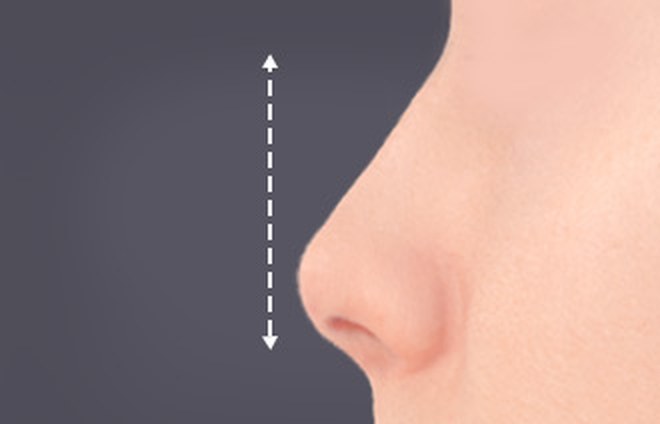
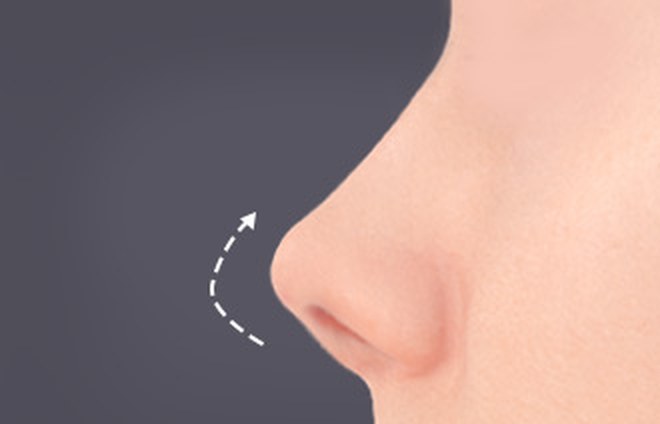
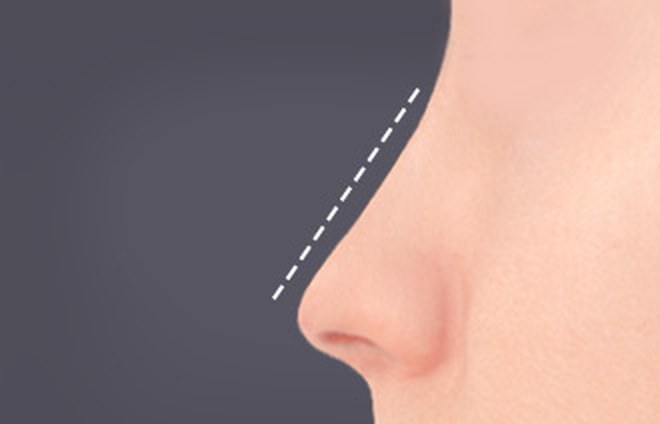
Higher is not better. Chamin checks every element — where the bridge begins, its line, the length and angle of the tip, the direction of the nostrils — and designs to the proportions of your whole face. The difference in detail is the difference in results.

Surgery time
About 2 hours
Anesthesia
Sedation / General
Stitch removal
7 days
Hospital stay
Same-day discharge
Recovery
7 days

The six things Chamin looks at

It is never just about raising the bridge. The relationship between these six points decides whether a nose looks natural.

Point 1 Clear starting point of the nasal bridge

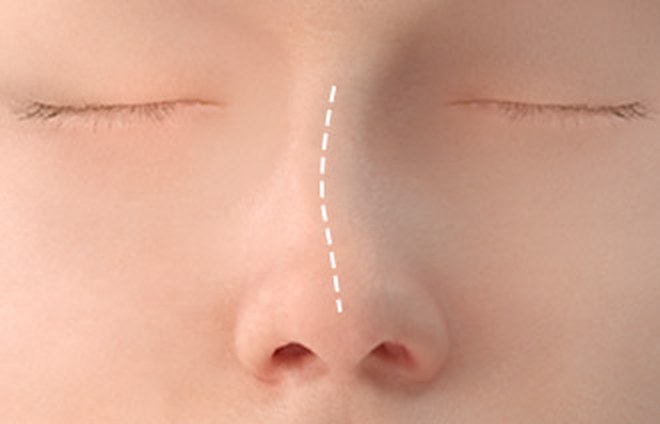
Point 2A straight, continuous bridge line
Point 3A tip that is neither too long nor too short
Point 4Nostril walls angled toward the tip
Point 5A columella and nasolabial angle that don't sink
Point 6Alar bases that don't look pinched
Nose Types

Which type is your nose?


Different nose types call for different techniques and materials. We classify first, then decide the plan against the proportions of your whole face.

See all nose types →
Short nose

Short nose Insufficient nasal length; nostrils are easily visible from the front

Upturned nose
Upturned noseTip turned upward, nostrils clearly exposed
Deviated nose
Deviated noseBridge or septum leans to one side
Low bridge
Low bridgeBridge too low, face lacks definition
Diagnosis

Diagnose first, then decide on surgery

The same blocked or deviated nose can be caused by the septum, the turbinates, cartilage support or an existing implant. Chamin completes four steps of analysis before operating.

Step 1

Detailed consultation

The surgeon personally reviews your symptoms, previous surgeries, lifestyle and medications.

  • Current symptoms

  • Number of previous surgeries

  • Smoking and alcohol consumption

  • Past medical conditions and medications

Step 2

Nasal endoscopy

Direct view of the nasal mucosa, degree of inflammation and internal structure.

  • Structural abnormalities
  • Mucosal inflammation
  • Condition of septal cartilage
  • Turbinate hypertrophy
Step 3

3D-CT precision analysis

A 3D-CT scan analyzes septal deviation, cartilage and bone condition, and nasal cavity volume.

  • Internal nasal structure
  • Septal deviation
  • Rhinitis and turbinates
  • Nasal bone condition
Step 4

One-to-one plan

Once the cause is confirmed, a personal plan is made — including whether staged surgery is needed and when.

  • Cause identified
  • Timing of surgery
  • Combination of techniques
  • Expectations and limits explained

Sterile positive-pressure OR

High-performance HEPA filtration blocks 99.9% of external viruses and dust.

Emergency system

Dantrolene, uninterruptible power supply and defibrillator on standby all year.

Anesthesiologist on site

A board-certified anesthesiologist is present before, during and after surgery.

CCTV in the OR

Operating rooms are fitted with CCTV to maintain trust with patients.

SMAS Lifting

More than just tightening skin,it’s restoring collapsed structures


Aging doesn't start at the surface. The SMAS layer loses elasticity, the retaining ligaments loosen and the fat layer descends — that is what produces sagging cheeks, deep nasolabial folds and a blurred jawline. Pulling skin alone makes a face look wide and unnatural.

Surgery time
About 3 hours
Anesthesia
Sedation
Stitch removal
About 2 weeks
Hospital stay
Same-day discharge
Recovery
About 2 weeks
SMAS Facelift
SMAS and retaining-ligament release

The key to a facelift is the extent of SMAS dissection and how the retaining ligaments are handled. After fully releasing the ligaments that anchor the fascia, the SMAS layer, fat and skin are lifted according to the degree of sagging.

Incisions tailored to the degree of sagging

The speed of aging and the degree of sagging differ from person to person. Incisions along the temporal hairline and around the ear are designed individually to match the skin's condition and the area to be improved.

Preventing pixie ear, gaps and scars

Over-tightening the skin pulls the earlobe down (“pixie ear”) and causes uneven skin and scarring. Individual design, fine suturing and controlled lifting direction and tension avoid this.

Chae Soo Wook
Chae Soo WookDirector · Board-certified Plastic Surgeon Lead surgeon, facelift
Medical Team

The same surgeon from consultation to follow-up

Consultation, surgery, dressing changes and recovery follow-up are all handled by the operating surgeon — never handed off.

View More
Min Sung Ki

Min Sung KiMIN SUNG KI

Director · Board-certified Plastic Surgeon

Plastic surgery is not “art”, it is “medicine”. An artist can create by personal taste and discard what they don't like; a doctor must never treat a human body with an artist's mindset.

MD, The Catholic University of Korea College of Medicine

Plastic Surgery Residency, Seoul St. Mary's Hospital

Full member, Korean Society of Plastic and Reconstructive Surgeons

Full member, Korean Society for Aesthetic Plastic Surgery

Member, International Society of Aesthetic Plastic Surgery (ISAPS)

Member, Rhinoplasty Research Society, KSPRS

Formerly at O&Young Plastic Surgery

Formerly at Wonjin Plastic Surgery

Formerly at Made Young Plastic Surgery

Other departments
  • Chae Soo WookPlastic Surgeon · Facelift
  • Hong Soon BiBoard-certified Otorhinolaryngologist
  • Min Ji WookDirector, Dermatology
  • Kang Mi SookBoard-certified Anesthesiologist

See all doctor profiles

Before & After

Same contracted nose, completely different approach

The value of a case is not a pretty comparison photo — it is explaining why it was done this way. Each case lists symptoms, our assessment and the plan.

View More
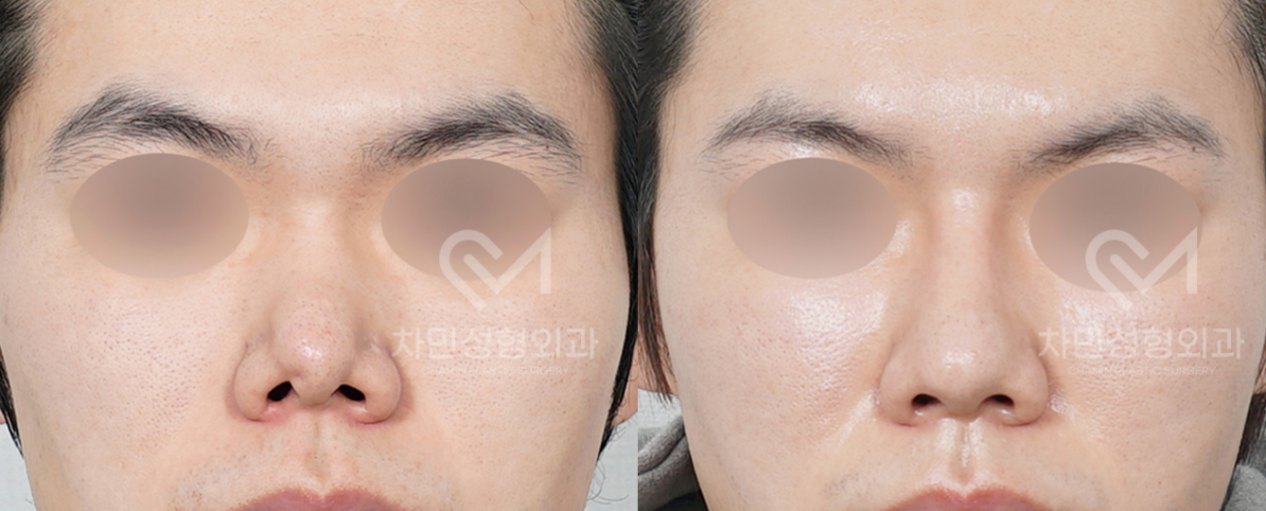
RevisionContracted nose revision, front view

Contracted nose revision

Short noseDeviated noseAsymmetric nostrils
Assessment
Contracture shortened and upturned the nose; septal cartilage crumpled; asymmetric nostrils with deviation
Plan
Autologous rib cartilage and dermis to correct the shortening, deviation and asymmetry, with septoplasty in the same operation
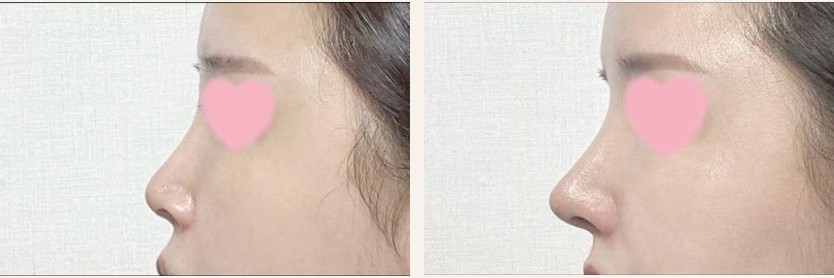
Surgeon: Min Sung Ki2 months post-op

Implant RemovalComplete nasal implant removal, side view

Complete nasal implant removal

Implant exposureInfection & contractureUpturned nose
Assessment
Gore-Tex implant protruding into the nasal cavity; infection-related contracture shortened the nose; with rhinitis and septal deviation
Plan
Complete removal of the Gore-Tex, ear cartilage, inflamed tissue and capsule, with rhinitis and septal deviation treated in the same operation

Surgeon: Min Sung Ki1 month post-op

Process

From online consultation to follow-up back home

For cross-border patients, time costs more than money. The schedule below is arranged for the shortest stay: roughly 7 to 10 days in Korea around the surgery.

  1. Online consultation

    Send front, side and 45° photos plus your surgical history via WeChat for an initial view on feasibility and direction.

  2. Booking and deposit

    Once your dates are set, a deposit of 30% of the surgery fee secures your slot.

  3. Arrival · Consultation

    3D-CT and nasal endoscopy are done in the clinic, and the surgeon confirms the final plan in person. Consultation and CT fee: KRW 30,000.

  4. Surgery

    An anesthesiologist is present throughout. Most procedures are same-day discharge; some revisions require overnight observation.

  5. Stitch removal and dressings

    Stitches are usually removed on day 7 for rhinoplasty and at about 2 weeks for facelifts. You will need to stay in Korea until then.

  6. Follow-up back home

    Recovery is followed up over WeChat after you return, with a review visit arranged if needed.

KRW 30,000

Initial consultation and 3D-CT scan fee. Not deducted from the surgery fee.

30%

Deposit required to secure a surgery date, calculated on the total surgery fee.

Consultation

Bring your photos and surgical history

The more complete your information, the more accurate our online assessment. Reach us by WeChat or the form; we usually reply within 24 hours.