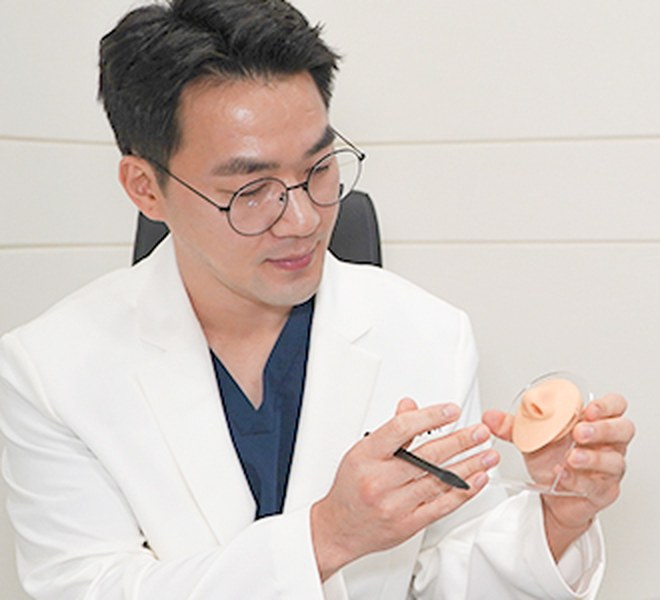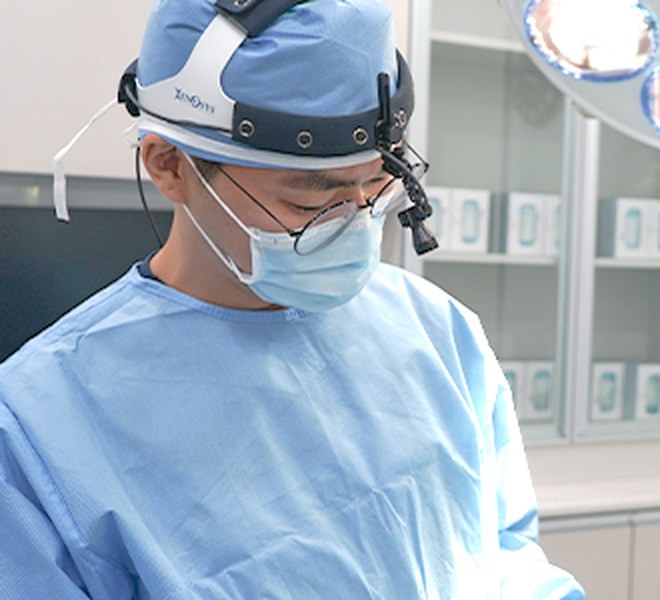
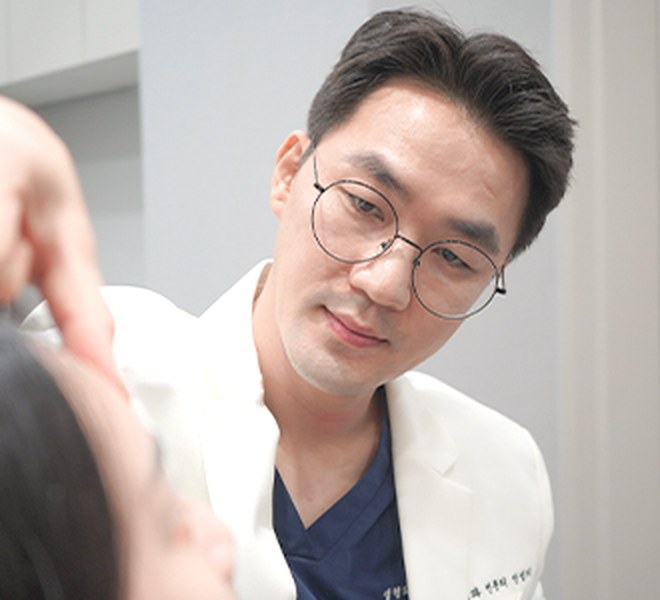
In the pursuit of beauty, more and more doctors call themselves artists. It sounds good, but I have never quite agreed with it.
The difference between an artist and a doctor
An artist can create by purely personal taste. Keep what pleases, discard what doesn't, and nobody gets hurt. A doctor must never treat a human body with that mindset — a body is not a piece of work, and there is no starting over.
Working on a body demands far more precision and care. What it needs is not inspiration but thorough communication and agreement — and then getting it right the first time.
Why “right the first time” matters
The nose is a feature where the first surgery decides everything that is possible afterwards. Once it has been operated on, the skin, cartilage and scar tissue all change, and every further revision leaves less to work with. That is why I care most about the first one.
The more thorough the analysis before surgery, the lower the chance of revision later. 3D-CT for the septum, bones and nasal cavity; endoscopy for the mucosa and cartilage; consultation for surgical history and lifestyle — none of this is ritual. It is the basis for deciding what to do this time.
Everyone's concerns and the line they want are different. Even if it takes longer, I operate only after we have talked it through properly.
A clinic that keeps its principles
What should be done, we simply do. I personally handle consultation, surgery and treatment from start to finish, never handing off; the operating rooms are fitted with CCTV to keep trust with patients; and post-operative care continues until treatment is complete.
These are not selling points. They are what a clinic should do.
The two characters in Chamin
“瑳” means clear and clean; “旼” means harmony. Making someone look better, as I understand it, means returning them to a state of clarity and harmony — not taking one feature to an extreme.
I want to be a doctor who puts all of my knowledge, experience and passion into each patient — one who can truly “treat”.